
HRT isn't suitable for everyone, and it isn't the only way to manage menopause symptoms. From antidepressants and newer non-hormonal medications to CBT and lifestyle changes, there are several evidence-based options worth understanding. One thing I talk about a lot is how individual our experience of menopause is. No two women will experience these years in exactly the same way, and that individuality extends to how we choose to manage our symptoms.
HRT (hormone replacement therapy) can be a fantastic option for many women, but it isn't a magic bullet, it doesn't resolve every symptom, and it isn't suitable for everyone. Some women cannot take it for medical reasons, others choose not to, while some have tried it and simply haven't got on well with it. That's absolutely fine. What matters is understanding the different management options available so you can make informed decisions about what works best for you.
I sometimes worry that the menopause conversation has become so focused on HRT that we aren't giving enough attention to the other treatments available, particularly the non-hormonal medications that can be very helpful for certain symptoms. Thankfully, we have more options available today than ever before, including newer medications specifically developed to target hot flushes and night sweats.
So let's look at what they are, how they work, and what you need to know.

SSRIs and SNRIs: Antidepressants that can also help menopause symptoms
SSRIs and SNRIs are two different types of antidepressant medication. While we traditionally associate antidepressants with treating depression and anxiety, certain medications within these two groups have also been shown to help reduce hot flushes and night sweats during menopause. And importantly, you don't have to be depressed to benefit from them. They can be prescribed specifically to help manage menopause symptoms.
What are SSRIs?
SSRIs stands for Selective Serotonin Reuptake Inhibitors. These medications work by increasing the availability of serotonin, a chemical messenger in our brain involved in regulating mood, sleep and several other important functions. Some common examples you may recognise here in Ireland include:
Escitalopram (Lexapro)
Citalopram (Cipramil)
Sertraline (Lustral)
Paroxetine (Seroxat)
What are SNRIs?
SNRIs stands for Serotonin and Noradrenaline Reuptake Inhibitors. These work in a similar way but act on two chemical messengers, serotonin and noradrenaline, both involved in mood regulation, alertness and several other important functions in the body.
Examples include:
Venlafaxine (Efexor)
Duloxetine (Cymbalta)
It's important to understand that not all antidepressants have the same evidence for managing menopause symptoms. Some, including escitalopram, paroxetine and venlafaxine, have been studied specifically for hot flushes, while others are primarily prescribed for depression or anxiety.
Why do antidepressants help hot flushes?
Serotonin and noradrenaline are involved in the brain's temperature-regulating pathways. By changing how these chemical messengers work, certain SSRIs and SNRIs can help reduce the frequency and severity of hot flushes and night sweats. I think this is particularly important to explain because I have met women who questioned why their doctor was prescribing an antidepressant when they weren't depressed.
The answer is that certain medications can have more than one use, and in this case, they may be prescribed specifically to help manage the physical symptoms of menopause. Both the HSE and British Menopause Society recognise the role of these medications in menopause management. However, UK NICE guidance does not recommend routinely prescribing SSRIs or SNRIs as first-line treatment for hot flushes alone, particularly when HRT is suitable.
What are the potential side effects?
As with all prescription medication, SSRIs and SNRIs can have side effects, including nausea, headaches, dizziness, changes in sleep and sometimes reduced libido. Certain SNRIs can also increase blood pressure, so your doctor will need to consider your overall health when deciding whether they are appropriate.
One particularly important consideration is for women taking tamoxifen following breast cancer, as certain SSRIs, especially paroxetine and fluoxetine, can interfere with the way tamoxifen works. It's also worth remembering that SSRIs and SNRIs can be prescribed alongside HRT when clinically appropriate. For example, a woman may be taking HRT for menopause symptoms while also needing an antidepressant to manage depression or anxiety.
These treatments are not necessarily either/or, and the right combination will depend on your symptoms, medical history and any other medication you are taking. If you're already taking an antidepressant, please don't stop it suddenly without medical guidance, as many of these medications need to be reduced gradually.

Newer non-hormonal menopause medications: Fezolinetant and Elinzanetant
This is an area of menopause medicine that I find particularly fascinating because these newer treatments work differently from HRT.
Two medications you may increasingly hear about are:
Fezolinetant (Veoza)
Elinzanetant (Lynkuet)
Both are part of a newer group of medications known as neurokinin receptor antagonists. Unlike HRT, they don't replace oestrogen. Instead, they target specific pathways involved in temperature regulation in the brain.
How do neurokinin receptor antagonists work?
To understand how these medications work, we need to look at the hypothalamus, the part of our brain responsible for several important functions, including regulating body temperature. I often describe the hypothalamus as our internal thermostat.
As oestrogen levels decline during menopause, certain nerve cells involved in temperature regulation become more active, making our thermostat much more sensitive. This means even a small change in core body temperature can trigger a hot flush, often followed by sweating as our body tries to cool itself down.
And as many women know, this can happen at the most inconvenient times, whether you're sitting in a work meeting, trying to sleep or simply going about your day. These newer medications work by blocking specific neurokinin receptors involved in this process. Fezolinetant targets the NK3 receptor, while elinzanetant targets both NK1 and NK3 receptors.

A fascinating experience in Boston
I was very lucky when I visited Boston in February to spend time in a laboratory with the fantastic Irish researcher Ellen Wall, who showed us how these receptors work and how messages are transmitted throughout the body.
It was fascinating to see some of this science in action and gain a better understanding of the complex signalling pathways involved. It gave me a greater appreciation of the research behind these newer non-hormonal treatments and how they are helping us develop more targeted options for managing menopause symptoms.
Both fezolinetant and elinzanetant have demonstrated benefits in reducing moderate to severe hot flushes and night sweats, while clinical trials involving elinzanetant have also reported improvements in sleep disturbance.
These medications have received European authorisation, although availability and access in Ireland may vary.
Are there side effects?
Yes, and as with any medication, it's important to understand the potential risks alongside the benefits.
Fezolinetant (Veoza)
Reported side effects include abdominal pain, diarrhoea, insomnia and changes in liver enzyme levels.
More importantly, there have been reports of serious liver injury associated with fezolinetant. Liver-function blood tests are therefore required before starting treatment and monthly during the first three months, with additional monitoring according to clinical judgement.
Women taking this medication also need to be aware of possible warning signs of liver problems, including unusual tiredness, dark urine, yellowing of the skin or eyes, itching or abdominal pain. These symptoms require prompt medical attention.
Elinzanetant (Lynkuet)
Reported side effects include headache, dizziness, tiredness, sleepiness and muscle spasms.
Both medications have different safety profiles, and not every woman will be suitable for treatment. Particular care is needed when considering other medical conditions, medication interactions and a history of certain cancers.
Although these are non-hormonal treatments, that doesn't automatically mean they are suitable for every woman who cannot take HRT, particularly following hormone-sensitive cancer. This needs to be assessed with the treating medical team.
I welcome the development of these medications because they give women additional choices, but as always, understanding both the benefits and risks is an essential part of making an informed decision.
Gabapentin for menopause symptoms
Gabapentin is another medication that has been used to help manage menopause symptoms for quite some time.
Originally developed for epilepsy, gabapentin is also commonly prescribed for nerve pain. Research has shown that it can reduce the frequency and severity of hot flushes and night sweats in some women.
It may be particularly useful when night sweats are significantly disrupting sleep, as one of its effects is drowsiness.
However, drowsiness can also become a side effect, particularly if it continues into the following day. Other possible side effects include dizziness, difficulties with balance and problems with concentration.
Gabapentin isn't generally considered a first-choice treatment for menopause symptoms, but it may be an option when other treatments are unsuitable, haven't worked or haven't been well tolerated.
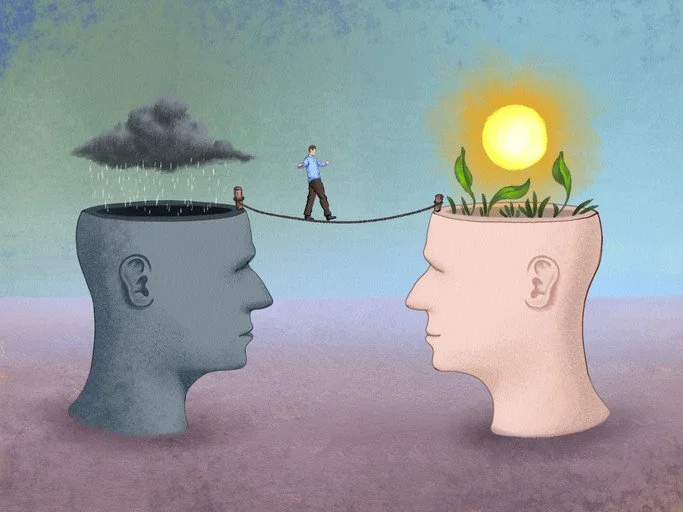
Image from Harvard Health
The role of CBT and lifestyle in menopause management
Menopause management has never been about one medication or one intervention. I have always encouraged women to take a 360-degree approach, looking at their lifestyle foundations alongside whichever medical treatments they choose. The British Menopause Society and other clinical guidance recognise the role of non-medication approaches, although the quality of evidence varies depending on the intervention and symptom being treated.
Menopause-specific cognitive behavioural therapy (CBT) is one approach that has good evidence, particularly for women experiencing hot flushes, night sweats and sleep difficulties. CBT doesn't necessarily eliminate the physical symptoms, but it can help reduce how disruptive or distressing they feel, while supporting better sleep and helping women manage anxiety.
It can be used alongside HRT or other treatments, or as an alternative approach for women who prefer not to use medication.
Exercise and movement
Regular movement is one of the most important foundations of our health during menopause, particularly a combination of cardiovascular exercise and strength training.
While exercise itself isn't a proven treatment for eliminating hot flushes, it provides enormous benefits for cardiovascular health, muscle strength, bone density, metabolic health, sleep and psychological wellbeing.
Strength training becomes increasingly important as we age because we naturally lose muscle mass over time, and the hormonal changes of menopause can contribute to changes in body composition.
The good news is that you don't have to spend hours in the gym to benefit. Building regular movement into your week, whether that's walking, running, cycling, swimming or strength training, can make a difference to your long-term health.
Sleep
Sleep difficulties are one of the most common and frustrating symptoms of menopause, particularly when night sweats are waking you several times each night.
Maintaining a regular sleep routine, keeping your bedroom cool and dark, and being mindful of alcohol and caffeine may help support better sleep.
However, if your sleep is being significantly disrupted by night sweats, you may also need treatment that addresses those symptoms directly.
Nutrition
Nutrition plays an important role in supporting our overall health during menopause.
I always encourage a food-first approach, focusing on sufficient protein to support muscle health, fibre for gut and metabolic health, and adequate calcium and vitamin D for bone health.
Eating a varied, balanced diet supports our bodies through these years, although it's important not to confuse the benefits of good nutrition with evidence that particular foods can treat severe menopause symptoms.
Stress management
We also need to acknowledge the stage of life in which menopause often occurs.
Many women are balancing work, family responsibilities, ageing parents, relationships and countless other demands, all while experiencing hormonal changes that can affect sleep, mood and how they feel.
Finding ways to manage stress, whether through movement, mindfulness, breathing exercises, connecting with friends or simply creating more space for ourselves, can be hugely beneficial.
These lifestyle foundations are important whether you're taking HRT, using non-hormonal medication or managing your symptoms without prescription treatment.

Ireland's free HRT scheme: Why non-hormonal treatments should be included
This is something we really need to address in Ireland.
In June 2025, Ireland introduced free HRT for eligible women, and I very much welcomed this development. Removing the cost of HRT medications was an important step forward in supporting women's health.
However, while eligible HRT products are provided free of charge, the scheme does not extend the same provision to non-hormonal menopause medications. I think we really need to question the fairness of that, particularly for women who cannot take HRT for medical reasons.
I'm thinking especially of women who have undergone cancer treatment, some of whom experience an early or medically induced menopause and may be unable to take HRT because of their cancer history. Many of these women are already managing the physical, emotional and financial consequences of cancer treatment, including ongoing medical appointments, medications and follow-up care.
Having to pay additional costs to manage their menopause symptoms places another burden on women who may already have been through an incredibly difficult experience. Of course, some non-hormonal medications may be covered or subsidised through existing arrangements such as the Drug Payment Scheme, but that isn't the same as having equal access to free menopause treatment.
I would love to see the Government review and expand the free HRT scheme to include appropriate, evidence-based non-hormonal menopause medications. We have made welcome progress in recognising menopause as an important women's health issue in Ireland, but our approach to treatment needs to recognise that HRT isn't suitable for everyone.
You can read more about Ireland's Free HRT Scheme here.
Building your own menopause management toolkit
I often talk about building your own menopause toolkit because I really believe this is the best way to approach these years.
For one woman, that might mean HRT alongside regular exercise and adjustments to her sleep routine. For another, it may involve an SSRI or SNRI, menopause-specific CBT or one of the newer non-hormonal medications, while someone else may manage very well through lifestyle changes alone.
And remember, your toolkit can change as you move through the different stages of menopause. What works for you in early perimenopause may not be what you need five years later.
It's also important to recognise that different symptoms may require different treatments. For example, women experiencing vaginal dryness, painful sex or recurrent urinary symptoms may benefit from non-hormonal vaginal moisturisers and lubricants or local vaginal oestrogen, which may still be suitable for some women who cannot take systemic HRT.
For women with a history of hormone-sensitive cancer, decisions about local vaginal oestrogen should be made with their medical team. And while the medications discussed in this blog are particularly relevant for hot flushes and night sweats, they won't necessarily address every symptom of menopause.
The takeaway: HRT is one option, not the only option
What I would love you to take from this is that HRT can be an excellent treatment, but it certainly isn't the only way to manage menopause symptoms. There should never be pressure to take HRT, just as there should never be pressure not to take it.
We all have different medical histories, symptoms, preferences and experiences, and these should be respected when it comes to choosing the most appropriate treatment. If you're struggling with menopause symptoms and HRT isn't suitable for you, or simply isn't something you want to take, please speak with your GP or menopause specialist about the alternatives.
You don't have to simply put up with difficult symptoms, and you certainly shouldn't feel that you've run out of options. Your menopause is personal to you, and your management plan should reflect that.
References and further reading
British Menopause Society – Non-hormonal-based treatments for menopausal symptoms. Updated July 2026.
NICE Guideline NG23 – Menopause: Identification and Management.
Department of Health, Ireland – Free Hormone Replacement Therapy Measure.
This blog is intended for general education and does not replace individual medical advice. Medication decisions should always be made with an appropriately qualified healthcare professional.