
Protein in Menopause: How Much Do You Really Need?
Protein isn’t new. It has been quietly doing its job in our bodies forever. What’s new is the marketing department discovering it. Protein yoghurts, protein bars, protein shakes, protein porridge… we’re almost encouraged to put protein in our coffee.
And with all that attention comes a lot of confusion.
How much protein do I actually need?
What is the best vegetarian protein?
Do I need to weigh my food?
What does a protein-rich breakfast actually look like?
Are protein powders worth using?
Is cottage cheese fattening?
And can eating too much protein damage our bones?
So let’s clear up some of the confusion.
Why protein becomes more important in menopause
Protein becomes increasingly important as we get older because we naturally start losing muscle mass from our 30s onwards. Through the menopause years and beyond, protecting that muscle becomes even more important.
And this isn’t simply about looking toned.
Muscle supports our:
strength
metabolism
bones
balance
mobility
ability to remain active and independent as we get older
This is why I talk so much about protein and strength training. They really do go hand in hand.
What does protein actually do?
Proteins are made up of amino acids. There are 20 amino acids in total, and nine of these are considered “essential”, meaning our bodies cannot make them and we need to get them from food.
Unlike fat and carbohydrates, we don’t have a large storage system for protein that we can simply dip into later. That’s one of the reasons getting enough protein regularly throughout the day is useful.
How much protein do women need?
The basic reference intake for adults is around 0.8g of protein per kilogram of body weight per day. But I tend to think of that more as a minimum than necessarily the optimum amount for everybody.
As we get older, and particularly if we are active or doing resistance training, we may benefit from more. For many women in midlife, somewhere around 1–1.2g of protein per kilogram of body weight per day can be a useful target.
So, if you weigh 70kg, that would be approximately 70–84g of protein across the day. Your individual needs will of course depend on your age, activity levels, health and goals.
But before you reach for the calculator, I think there’s a much easier way to approach it. Aim for protein at each main meal
Rather than obsessing over numbers, try aiming for roughly 25–30g of protein at breakfast, lunch and dinner. You don’t have to hit that perfectly every time. It’s simply a useful guide.
Most importantly, it encourages us to spread our protein throughout the day rather than eating very little at breakfast and lunch and then trying to get most of it at dinner.
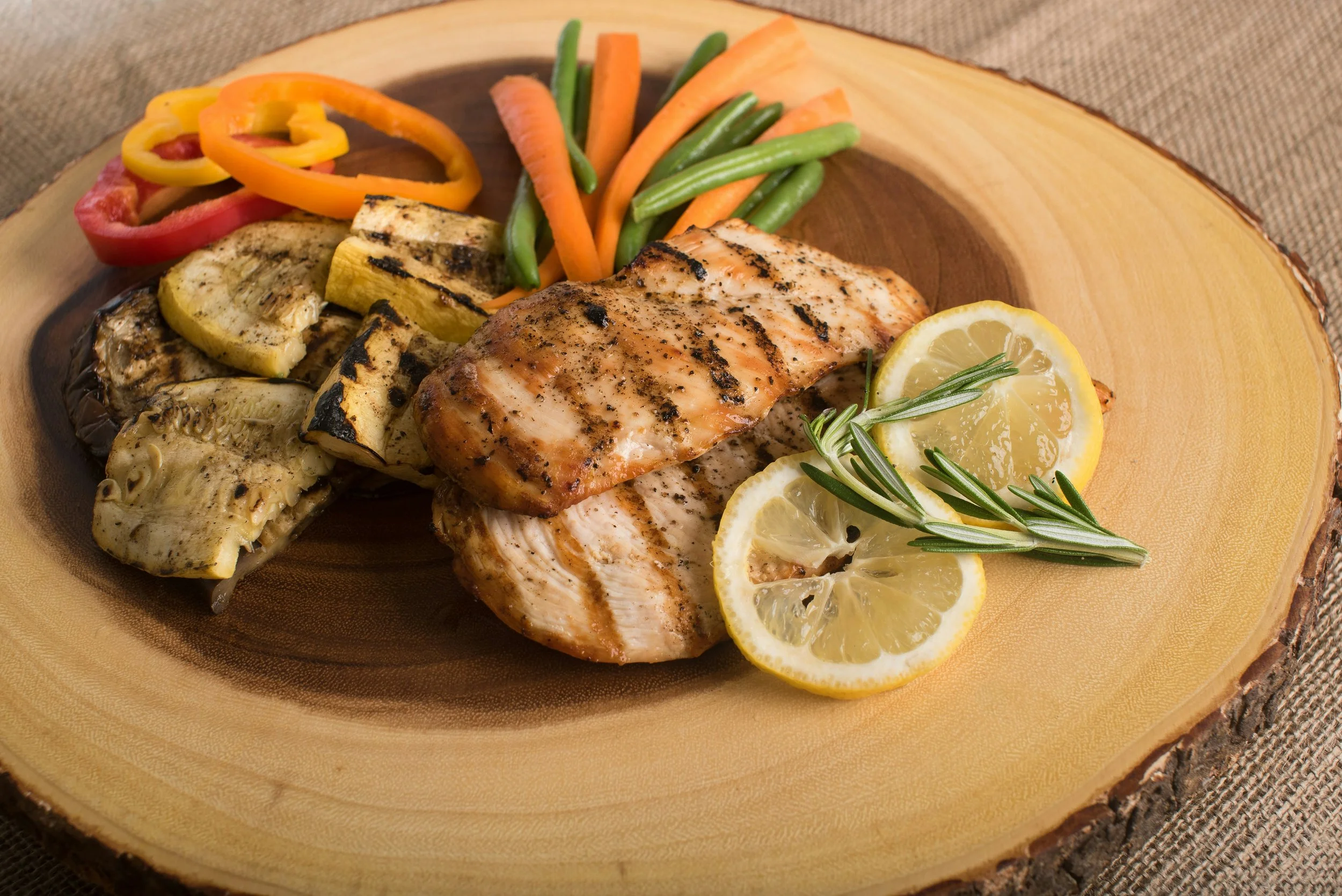
What does 25–30g of protein look like?
You certainly don’t need to get the weighing scales out every time you eat.
Amounts will vary depending on the food and the brand, but as a rough guide:
A good palm-sized portion of chicken or turkey: around 25–30g
A fillet of fish: around 25–30g
Three eggs: approximately 18–21g
A generous serving of Greek yoghurt or around 200g cottage cheese: roughly 20–28g
A scoop of protein powder: often around 20–25g
Tofu: protein varies considerably, so check the packet
Beans, lentils and chickpeas: great sources, although you may need to combine them with another protein source to reach 25–30g
Rather than counting every gram, start with one very simple question when you make your meal:
Where’s my protein?
Breakfast is often where we're missing it
For many people, breakfast is the lowest-protein meal of the day. Toast, cereal, porridge and fruit can all absolutely be part of a healthy breakfast, but on their own they may not give you very much protein.
You don’t necessarily have to completely change what you eat. Think instead about what you can add.
For example:
Three eggs on wholegrain toast with some cheese or seeds
Greek yoghurt with fruit, nuts and seeds
Porridge made with milk and topped with nuts and seeds
Overnight oats with Greek yoghurt, milk, chia seeds and nuts
Eggs and smoked salmon on wholegrain toast
Cottage cheese on toast with tomatoes or avocado
A smoothie made with milk, yoghurt, fruit and protein powder
Tofu scramble with wholegrain toast
And remember, breakfast doesn’t have to mean “breakfast food”. If you fancy leftover chicken or salmon at 8am, go for it!
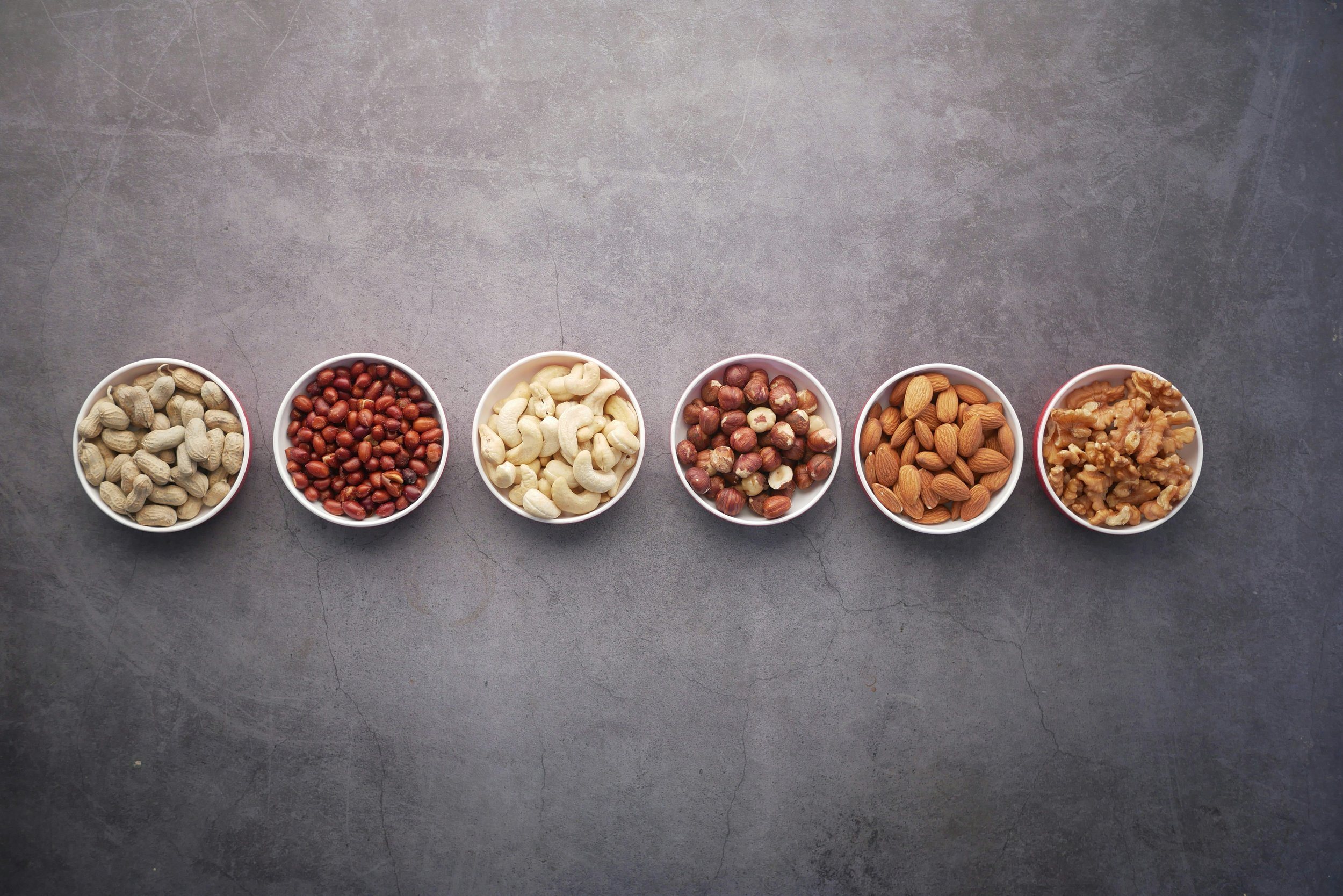
What about vegetarian protein?
There are plenty of good vegetarian protein options:
eggs
Greek yoghurt
cottage cheese
tofu
tempeh
edamame
lentils
chickpeas
beans
quinoa
nuts
seeds
If you are completely plant-based, getting enough protein can require a little more planning because some plant foods contain less protein per serving. But you can absolutely meet your needs.
You also don’t need to obsess about combining particular proteins at every meal. Having a good variety of protein-containing plant foods across the day is far more important.
Is cottage cheese fattening?
No! I get asked this more often than you might think. No single food is inherently “fattening”.
Cottage cheese can actually be a really handy source of protein and calcium.
As with everything, it is your eating pattern and portion sizes that matter rather than one individual food.
Do I need to weigh or track my protein?
Definitely not.
You might find it useful to track your protein for a few days simply to get an idea of what you are currently eating. Sometimes we think we’re eating plenty, but when we look more closely, we’re not getting quite as much as we thought.
But I certainly don’t want you spending the rest of your life weighing chicken breasts! Once you become familiar with the foods you regularly eat and approximately how much protein they contain, it becomes much easier.
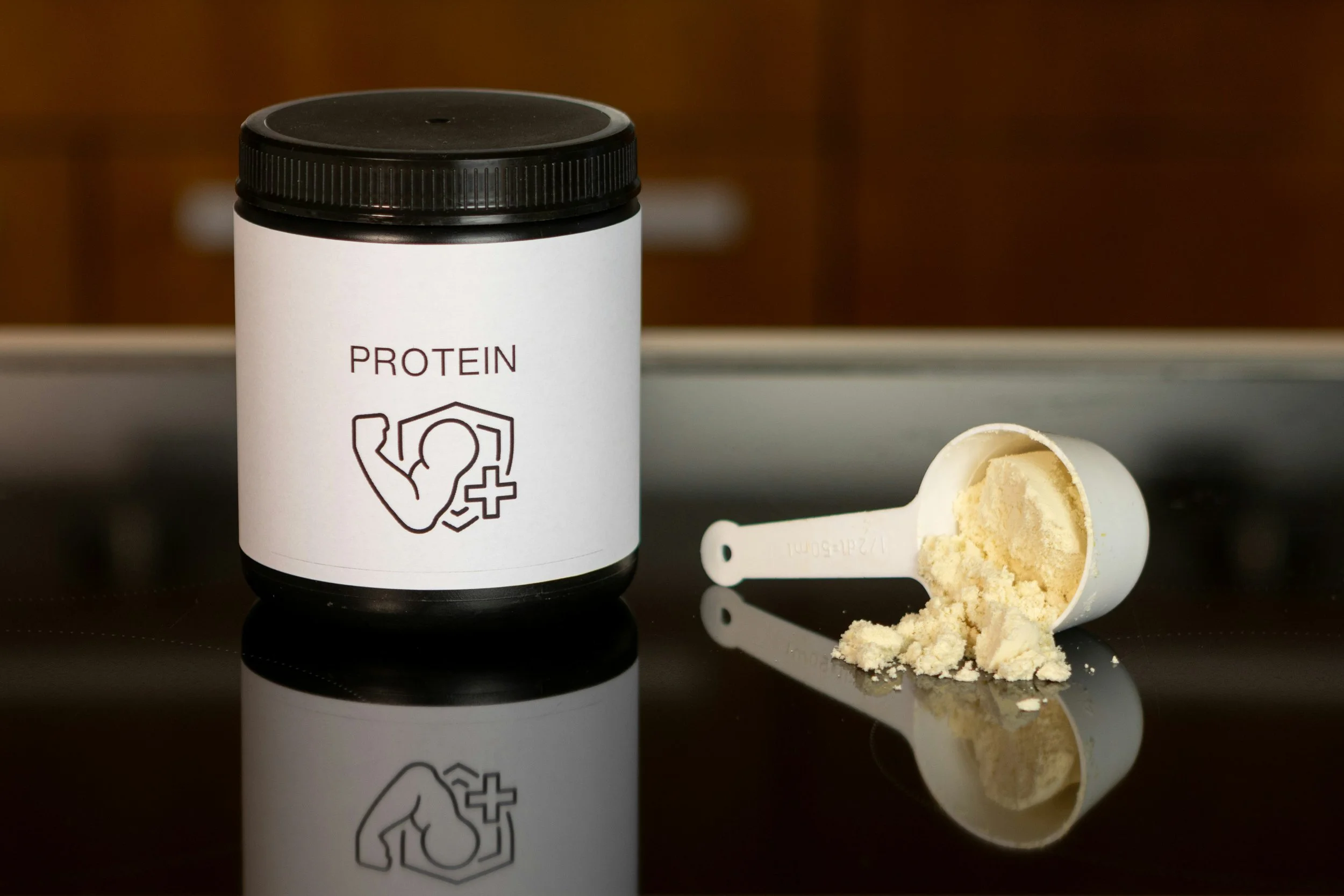
What about protein powders?
My rule of thumb is: Plate first, powder last.
I actually like protein powders when they are used for what they are: a convenient way to add protein to your diet.
They are not magic. They are not automatically healthier than food. And you certainly don’t need protein powder to have a healthy diet.
But they can be incredibly handy. Perhaps you’re rushing out the door, your breakfast is low in protein, you’re struggling to meet your needs, or you want something easy after exercise. That’s where they can work really well.
Whey is a very well-studied complete protein and is absorbed relatively quickly, which makes it popular after exercise.
Casein digests more slowly.
Soy is also a complete protein, while pea protein and blended plant proteins can be useful dairy-free alternatives.
Whatever you choose, turn the packet around and look at:
how much protein is actually in each serving
the amount of added sugar
the ingredient list
what else has been added
Does eating lots of protein damage our bones?
This is an old idea that still circulates. The theory was that high-protein diets increased the body’s acid load, which caused calcium to be pulled from the bones and excreted in the urine. But research does not support the idea that eating more protein simply “leaches” calcium from our bones.
While a higher protein intake can increase calcium in the urine, this doesn’t automatically mean that calcium has come from the bones. Protein can also increase calcium absorption from the gut. Overall, adequate protein can look after our bones, particularly because of the close relationship between muscle and bone health.
Protein gives our muscles the building blocks they need, while resistance and weight-bearing exercise give our muscles and bones the stimulus they need to remain strong.
Of course, protein isn’t the whole bone-health story. Calcium, vitamin D, vitamin K, magnesium, exercise and our overall diet and lifestyle all matter too.

Protein and metabolism
There’s another interesting benefit of protein.
Protein requires more energy to digest than carbohydrates or fat.It is not a huge effect and certainly isn’t a magic weight-loss trick, but it is another reason adequate protein can be useful when we are thinking about muscle, appetite, body composition and metabolism through midlife.
But please don’t go protein mad. I don’t want you reading this and deciding that if 80g is good, 160g must be twice as good! Protein is only one piece of the puzzle.
We still need vegetables, fruit, wholegrains, healthy fats, fibre and all the other foods that give us the nutrients our bodies need.
And if you have kidney disease or another medical condition where you have been advised to modify your protein intake, speak to your doctor or dietitian about the amount that is right for you.
For everyone else, I think we can keep this very simple. At your next meal, look at your plate and ask:
Where’s my protein?