
Breast Changes in Perimenopause and Menopause: What’s Normal and What Should Be Checked?
Breast changes in perimenopause and menopause are very common, but they can still feel unsettling when they happen to you. Many women in their 40s and 50s notice tenderness, lumpiness, heaviness or changes in breast texture, and it is not always clear what is normal, what is hormonal and what needs to be checked.
Why breasts change in perimenopause
First, it’s important to remember that the breast is one of the most hormone-sensitive tissues in the body. Breasts are made up of several types of tissue including glandular tissue (the milk-producing lobules), ducts, fatty tissue and connective tissue. These tissues respond to hormones, particularly oestrogen and progesterone.
During perimenopause hormone levels fluctuate significantly. These fluctuations can make breast tissue more reactive, which is why many women experience tenderness, swelling or increased lumpiness.
Fibrocystic changes: common, but not always talked about
Some women also develop what doctors call fibrocystic changes. These are small fluid-filled cysts that can make the breast feel ropey or nodular. They are very common and usually benign, but they can feel alarming if you’re not expecting them. Many women describe their breasts at this stage as feeling a bit like “a bag of marbles” — not the most glamorous description, but often very accurate!

Women in perimenopause commonly notice:
• breasts feeling fuller or heavier
• lumpiness before a period (even if cycles are irregular)
• tenderness, often in the outer breast area
• small mobile cysts
• changes in breast size or texture
All of these can be completely normal hormonal changes during perimenopause.
As women move fully into menopause and oestrogen levels fall permanently, the breast usually becomes softer. The glandular tissue gradually shrinks and is replaced by more fatty tissue.
What does breast density actually mean?
Another concept that is increasingly talked about is breast density.
Breast density refers to the proportion of glandular and connective tissue compared with fat in the breast. Women are typically categorised into four density levels:
A – mostly fatty
B – scattered density
C – heterogeneously dense
D – extremely dense
Around 40–50% of women aged 40–74 have dense breasts.
Dense breasts are important for two reasons.
Firstly, dense tissue appears white on a mammogram, and many tumours also appear white, which can make cancers harder to detect.
Secondly, breast density itself slightly increases breast cancer risk.
This does not mean dense breasts are abnormal. Many healthy women have dense breasts. But it does mean that breast awareness and screening are particularly important. Remember the MOT I talk about...this should be part of that regular check.
Breast density can also be influenced by several factors including younger age, genetics, lower body fat and the use of certain hormone therapies. In most women, breast density decreases after menopause as glandular tissue is replaced by fat.
Breast changes that should always be checked
Most breast changes in menopause are hormonal. But there are a few symptoms that should always be checked by your GP.
These include:
• a new lump that persists
• skin dimpling or puckering
• nipple changes such as inversion or discharge
• redness or thickened skin
• persistent pain in one specific area
A helpful rule used in breast medicine is this: if a breast change lasts longer than two to three weeks, it should be checked. I would go a step further and always get any change checked.
Is breast pain a sign of cancer?
“The most powerful thing you can do is become familiar with what is normal for your own breasts.”
It is also reassuring to know that breast pain on its own is rarely linked to breast cancer. In midlife it is far more commonly related to hormonal changes.
What can you do?
The most powerful thing you can do is become familiar with what is normal for your own breasts.
That means:
• developing regular breast awareness (1st of the month is an easy way to remember)
• knowing your normal breast texture
• not panicking about hormonal lumpiness
• but never ignoring a new persistent lump
• attending screening when invited
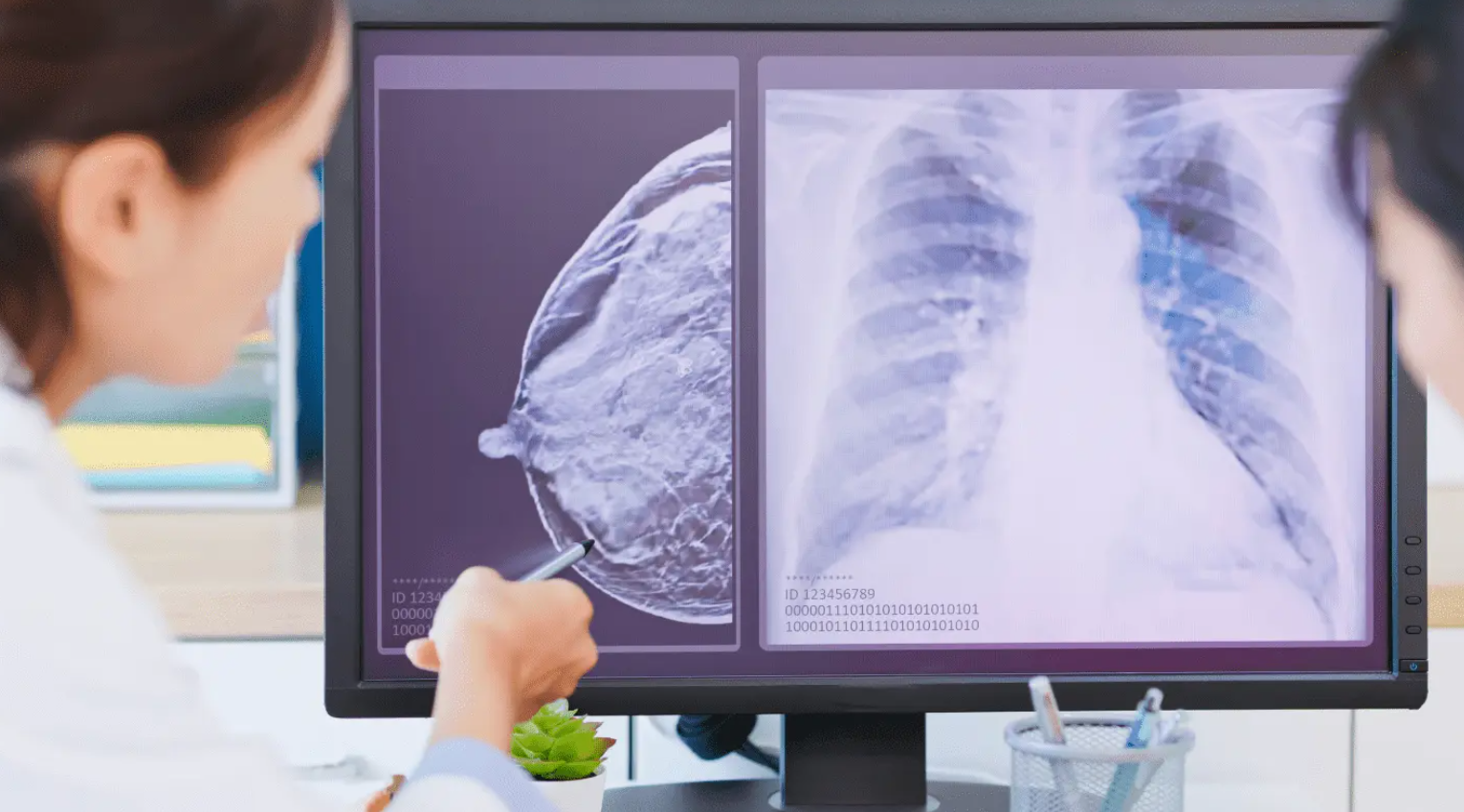
Screening matters too
In Ireland, screening through the national programme BreastCheck typically invites women aged 50–69 every two years. You can register from age 48 so if you haven't yet please go and do that - link here.
Here is a good step by step guide on how to do you check.
Perimenopause to post menopause brings many changes in our bodies, and breasts are no exception. Understanding what is normal can remove a lot of unnecessary fear while still helping us stay attentive to our health.
FAQs
Are breast changes normal in perimenopause?
Yes, many breast changes are common in perimenopause. Hormonal fluctuations can make breasts feel more tender, lumpy, swollen or heavy.
Can menopause cause lumpy breasts?
Yes. Hormonal changes in perimenopause can make breasts feel lumpier or more nodular. Fibrocystic changes are also common and are often benign, but any new or persistent change should still be checked.
What are dense breasts?
Dense breasts have more glandular and connective tissue and less fatty tissue. Dense tissue can make mammograms harder to read, and it is also linked with a slightly increased breast cancer risk.
What breast changes should be checked by a GP?
A new lump that persists, nipple changes, skin dimpling, redness, thickened skin, or ongoing pain in one specific area should always be checked.
Is there an app to remind me to check my breasts?
Yes. Breast Cancer Ireland’s free Breast Aware app includes a monthly reminder, a self-check guide and information on signs and symptoms.