
Cortisol in Perimenopause: Poor Cortisol Gets Blamed for Everything
If you spend five minutes on social media these days, you’d swear cortisol is the villain of modern life.
Apparently it causes belly fat, poor sleep, anxiety, cravings, wrinkles, ageing and probably the rain here in Ireland too.
Poor cortisol.
The hormone is getting an absolutely terrible reputation.
But cortisol is not the enemy. In fact, without it we wouldn’t function at all.
Cortisol is made by the adrenal glands, which sit just above your kidneys, and it plays a really important role in how your body works day to day. It helps regulate your energy, blood pressure, metabolism, immune response and how your body responds to stress.
It also follows its own natural rhythm across the day.
Levels are highest in the morning, which is part of what helps wake you up and get you going. Then, as the day goes on, cortisol gradually falls so that by night time levels are lower, allowing the body to prepare for sleep.
So cortisol is not simply a “stress hormone”.
It is more accurate to think of it as a life hormone.
Without it we couldn’t even stay awake.

Why menopause can make stress feel worse
This is where things get a bit more interesting.
In perimenopause and menopause, several hormonal systems are shifting at the same time. Oestrogen and progesterone fluctuate and then eventually decline, and these hormones normally interact with the brain’s stress-response system.
So when those hormones start changing, the stress system can become more sensitive too.
And I think many women know this without needing a scientific paper to tell them.
Things that you might once have taken in your stride can suddenly feel much harder. You might feel more wired, more anxious, less resilient, more easily overwhelmed. Sleep can become lighter and more broken. Your ability to “push through” can feel like it has gone out the window.
That does not mean your body is broken.
It means your body is adapting to a new hormonal environment.
And that is such an important difference.
Menopause is change. We know that. But sometimes I think we forget just how many systems in the body are adapting at once.

Sleep and cortisol are very closely linked
One of the biggest drivers of cortisol disruption in menopause is poor sleep.
And let’s be honest, sleep can become a complete head wreck in these years.
You’re exhausted but wide awake.
You wake in the middle of the night and your brain decides now is the perfect time to revisit every awkward thing you have ever said since 1997.
You finally drift back off just before the alarm.
Not ideal.
Sleep disruption and the stress system feed into each other.
Poor sleep can affect cortisol rhythm, and when cortisol rhythm is off, it can make it harder for the brain and body to settle properly into deep restorative sleep.
Hot flushes and night sweats can play a part here too. If your sleep is being interrupted over and over, it makes sense that the whole stress system starts to feel a bit more on edge.
Which is why improving sleep can make such a difference.
Not just for energy.
Not just for mood.
But for the whole stress system.
This is where the basics matter so much: a good sleep routine, cutting back caffeine later in the day, managing night sweats, being mindful of alcohol, getting daylight in the morning, moving your body and, for some women, looking at supports like CBT-I if sleep has really gone off track.
A few cortisol myths that need to calm down
If you spend any time online, cortisol seems to be blamed for absolutely everything.
Possibly even the traffic on the M50.
But the science is far more nuanced than social media makes it sound.
1. Cortisol is a bad hormone
No, it isn’t.
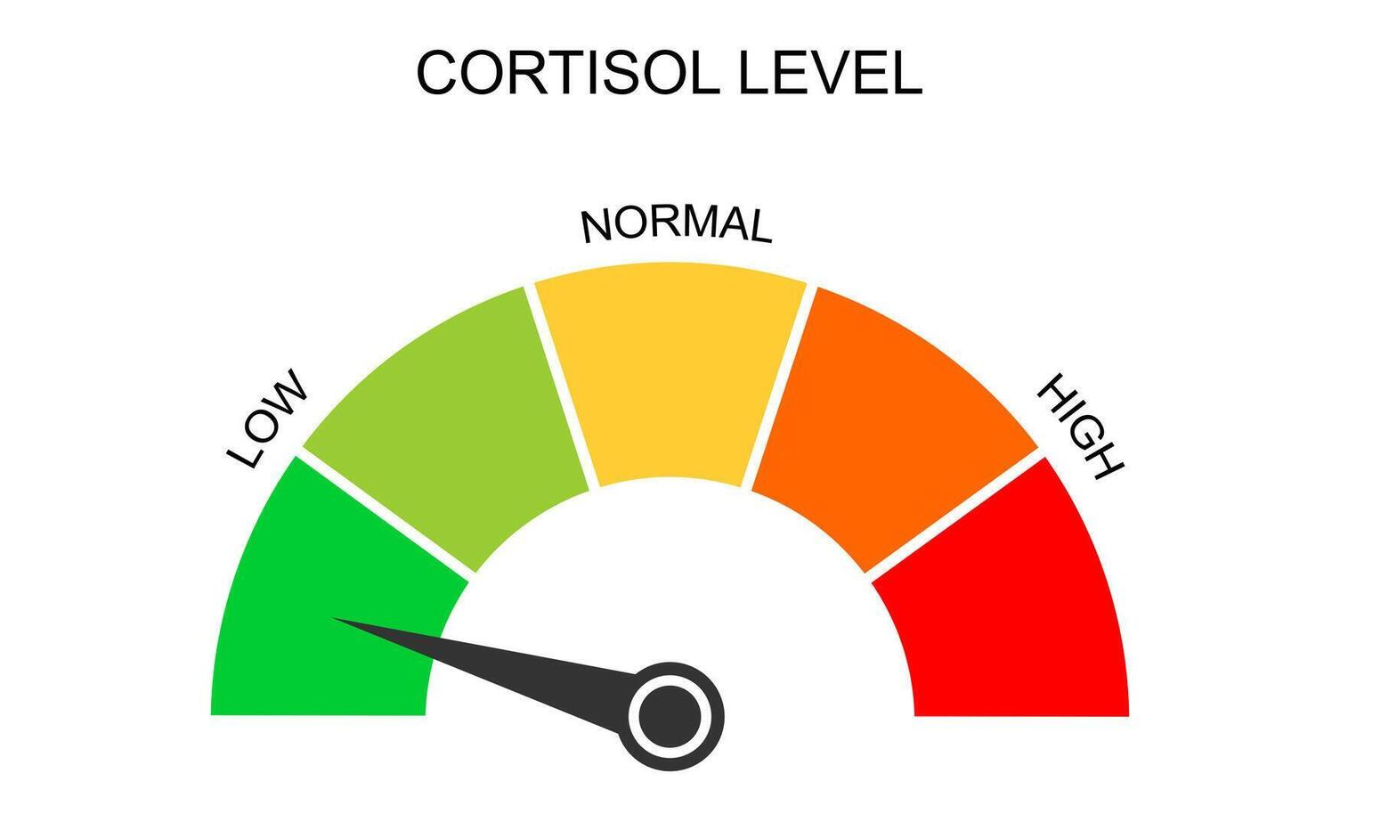
Cortisol is essential. It helps regulate blood sugar, blood pressure, inflammation, immune response and energy. The issue is not cortisol itself. The issue is when the body’s stress-response system is constantly activated without enough recovery time.
That is very different from saying cortisol is “bad”.
2. Cortisol is the main reason for menopause belly fat
This is another one doing the rounds online.
Weight changes in menopause are influenced by a lot of things working together. Hormonal shifts, sleep disruption, changes in muscle mass, insulin sensitivity, stress, how active we are, what we are eating, and simply getting older.
Cortisol may be one piece of that picture, but it is not the whole story.
Blaming everything on cortisol oversimplifies what is actually happening in the body during menopause.
And I think that kind of oversimplifying does women a disservice.
3. You can switch off cortisol with a supplement
Ah yes. The supplement that promises to lower cortisol, sort your stress, flatten your tummy and bring peace to your household.
I would take that with a large pinch of salt.
Cortisol is not something you want to eliminate. Your body needs it every day. There is no magic pill to the ups and downs of life.
Although if someone invents one that also folds laundry and cooks the dinner, I will be first in the queue.
So what does help?
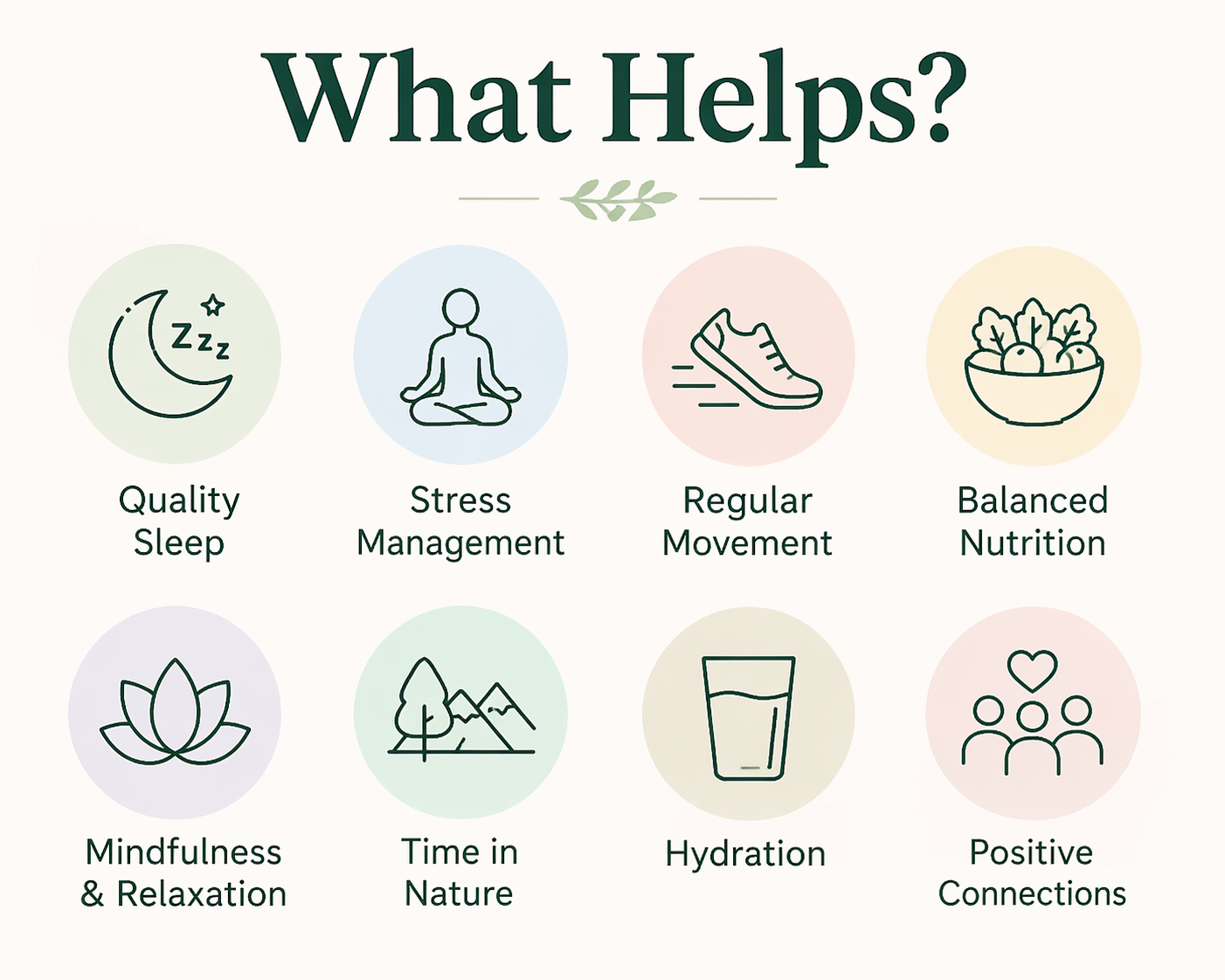
The good news is that many of the things that support your overall health also support your stress system.
Not in a glamorous way.
In a practical, useful, grown-up way.
Regular movement helps.
Good sleep helps.
Maintaining muscle mass helps.
Nourishing meals help.
Managing stress helps.
Fresh air and daylight help.
For me, one of the best resets is simply getting outside.
A walk in nature, fresh air, the sound of the wind through the trees… and my dog Joy absolutely losing her mind with excitement just because we are outdoors.
She is the definition of a well-regulated nervous system.
Unless she spots a squirrel.
Then all bets are off.
Cortisol is not the villain
I think this is the piece that gets lost in so much of the online noise.
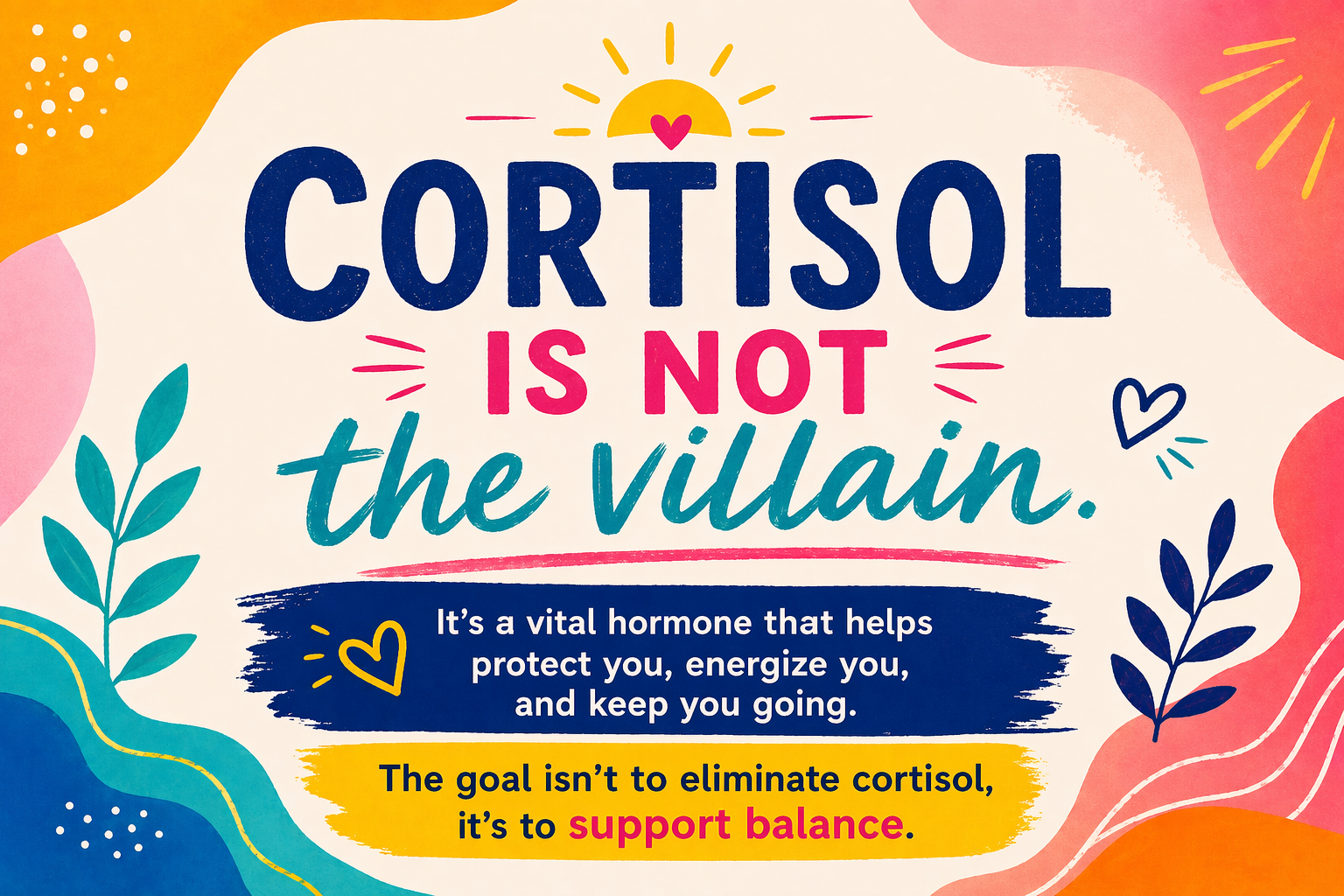
The goal is not to “get rid of” cortisol. The goal is balance.
We want the body’s stress system to switch on when it needs to, and switch off again when the day is done.
We want enough cortisol in the morning to help us wake up and get going.
We want it to gradually fall across the day.
And we want levels low enough at night to allow the brain and body to settle into sleep.
That is what we are aiming for.
Not perfection.
Not fear.
Not another hormone to panic about.
Just understanding.
Because cortisol is not the enemy social media makes it out to be.
It is a vital hormone doing an important job.
And in menopause, as with so much else, the answer is not panic.
It is understanding the change, supporting the body, and giving yourself a bit more grace in the process.