Calcium in Midlife: Why It Matters More Than Ever for Women in Their 40s and 50s
If there’s one nutrient I really want women thinking about in their 40s and 50s, it’s calcium.
Don’t panic, we are not all going to crumble away, but this is one area that deserves real attention.
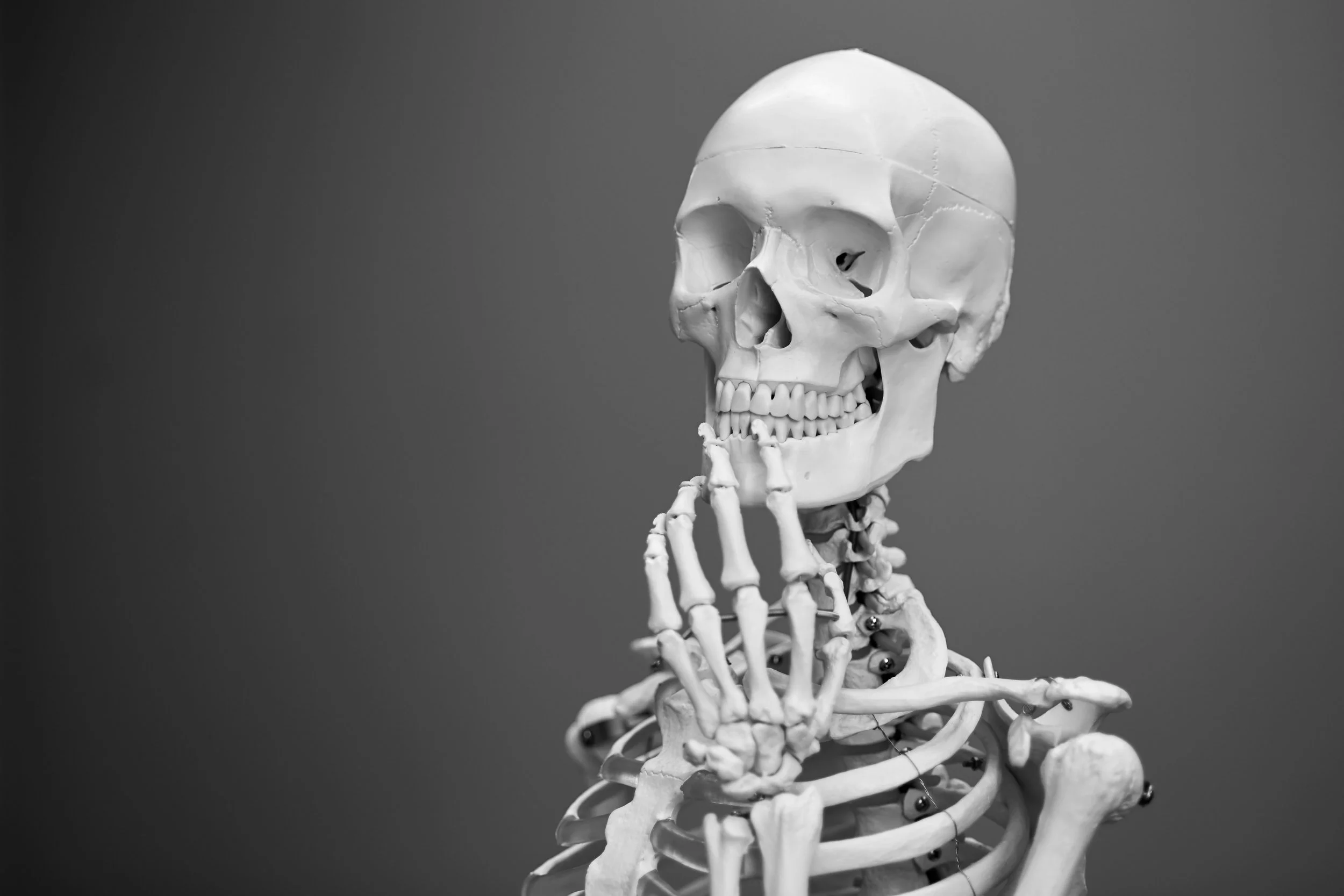
Bone loss is silent. You do not feel it happening. There is no hot flush equivalent for your hip. No warning light from your spine.
From our early 40s, bone density gradually starts to decline. After menopause, when oestrogen drops, bone breakdown speeds up. In the first 5 to 7 years after menopause, women can lose up to 10 to 20% of bone density if it is not supported.
That is why I often say your 40s and 50s are your bone investment decade.
You are not too young to think about this. You are right on time.
How much calcium do women need in midlife?
Up to age 50, women generally need around 1,000 mg of calcium per day.
From age 51 onwards, that increases to around 1,200 mg per day.
If your periods have stopped before 50, it makes sense to think in terms of 1,200 mg daily.
That figure includes your total intake from both food and supplements combined. It does not mean taking a 1,200 mg supplement on top of a calcium-rich diet.
Does the fat content of Greek yogurt affect calcium?
This is one of the questions I get asked all the time.
No, the fat percentage does not meaningfully change the calcium content.
Calcium sits in the milk solids, not the fat. So whether your Greek yogurt is 0%, 5% or 10%, the calcium content is usually quite similar per 100g, roughly around 100 to 150 mg depending on the brand.
What changes more is the calorie content, fat and sometimes protein.
So choose the one that best suits your own goals. Your bones are not judging your yogurt choice.
Best calcium-rich foods if you eat dairy
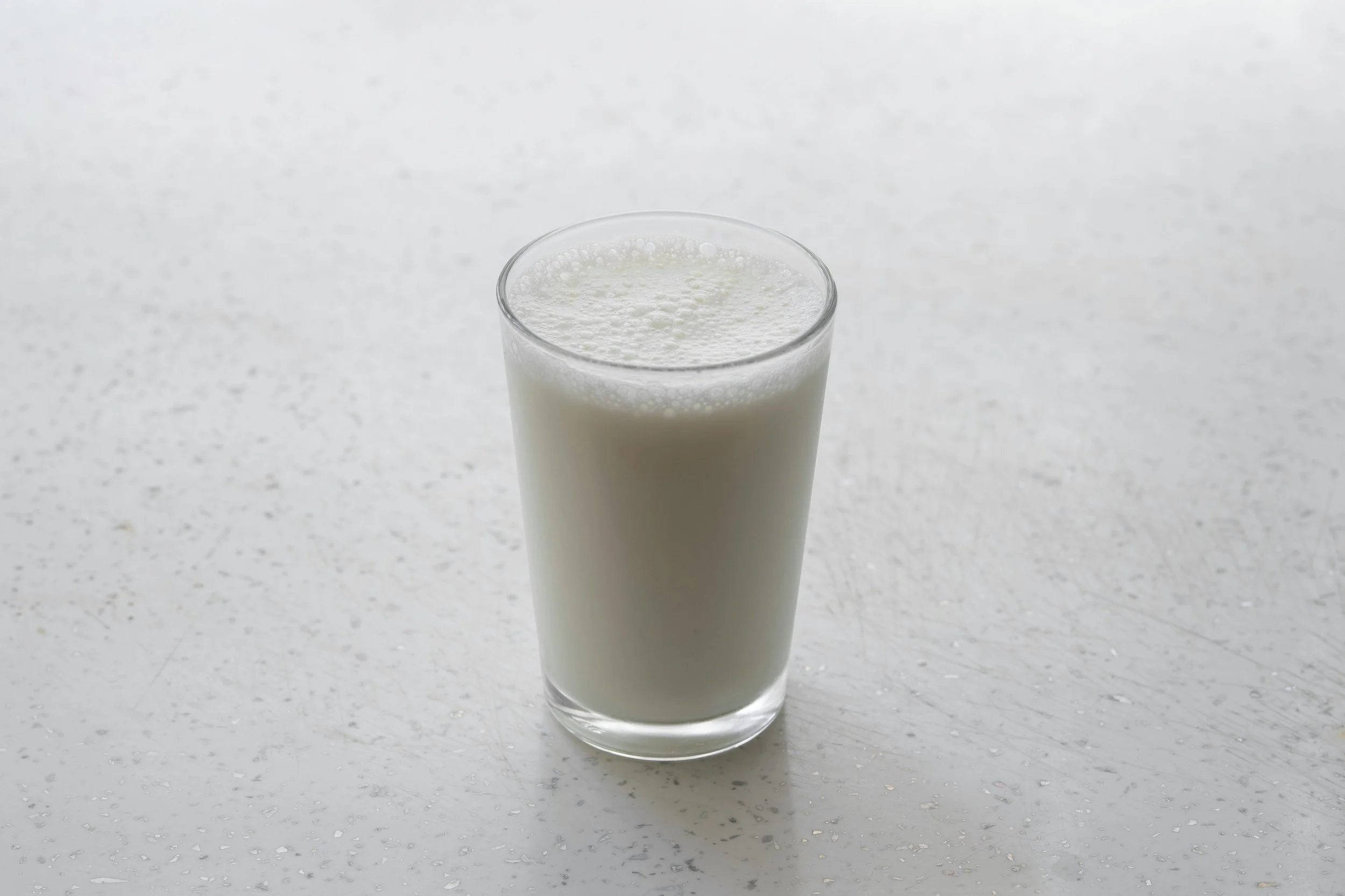
If you tolerate dairy, it is one of the easiest and most absorbable ways to reach your target.
Here are some simple examples:
200ml milk: about 240 mg
150g Greek yogurt: about 200 to 250 mg
30g cheddar: about 200 mg
Half a cup of cottage cheese: about 100 mg
It adds up faster than many women realise.
Best calcium-rich foods if you are dairy-free
You absolutely can meet your calcium needs without dairy, but it usually takes more thought and more intention.
Some of the strongest non-dairy sources include:
Fortified soy or almond milk (200ml): about 240 mg
Calcium-set tofu (100g): about 300 to 350 mg
Tinned sardines with bones: about 300 mg
Tinned salmon with bones: about 200 to 250 mg
Fortified plant yogurt: varies, but aim for 120 mg or more per 100g
Without fortification, many plant milks contain very little calcium, so label checking really matters. It is also worth shaking the carton before pouring, as calcium can settle at the bottom.
You can then layer in other supportive foods across the day, such as:
Cooked kale: about 150 to 180 mg
Pak choi: about 150 mg
White beans: about 150 mg
Chickpeas: about 80 mg
Tahini: about 60 mg
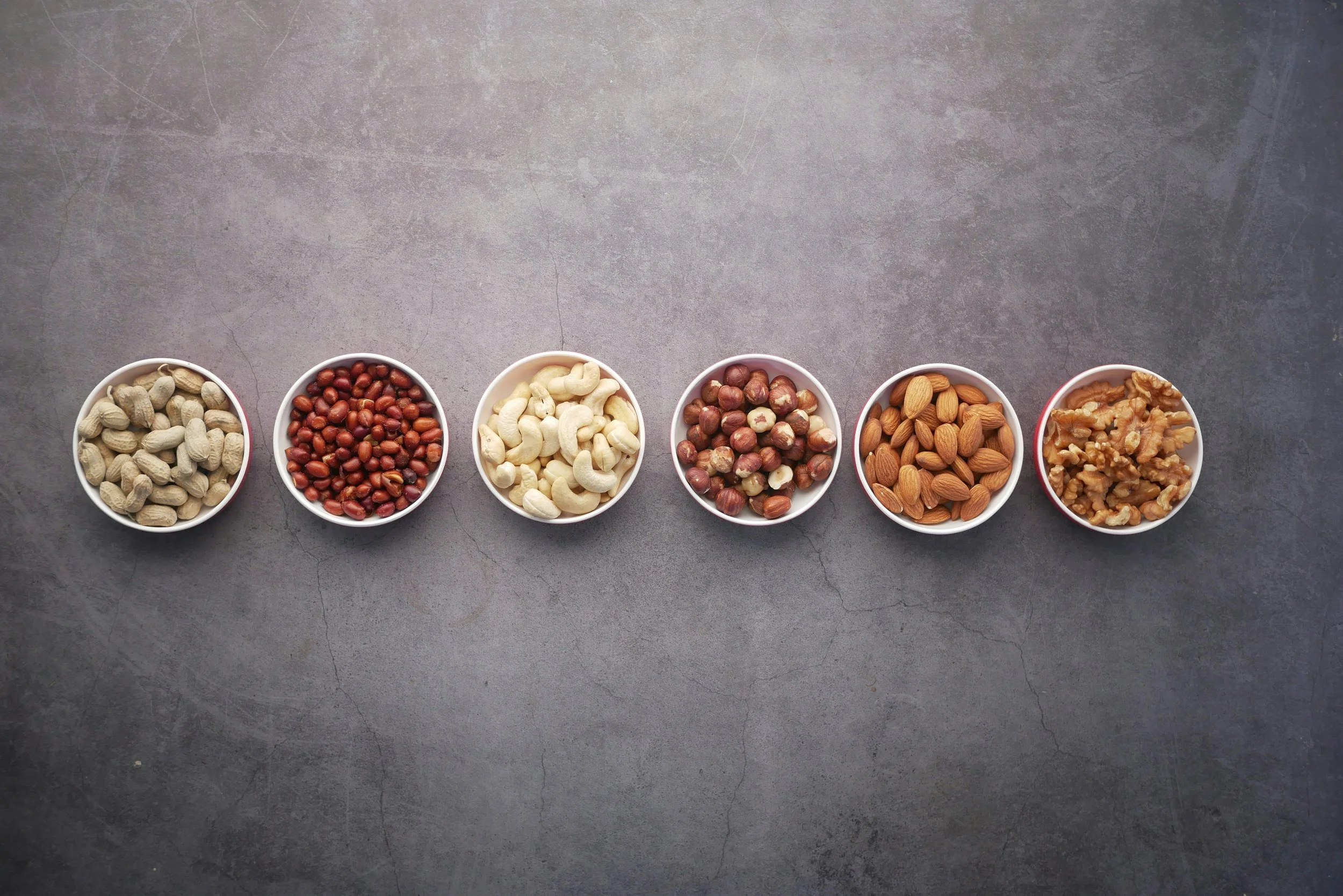
Almonds: about 75 mg
Chia seeds: about 80 mg
Dried figs: about 60 mg
On their own, these foods may not get you to 1,200 mg. But when you build them in consistently, they absolutely contribute.
Bone health after cancer treatment
If your menopause was triggered by cancer treatment, or you are taking medications such as aromatase inhibitors, bone health deserves extra attention.
In this situation, oestrogen levels are often significantly lower and bone loss can happen more rapidly. Calcium, vitamin D, vitamin K, adequate protein and resistance training become even more important, alongside regular monitoring with your oncology team or GP.
Some women may be prescribed supplements or bone-protective medication earlier, depending on their individual risk profile.
If you are on anticoagulant medication, especially warfarin, always speak to your doctor before starting vitamin K supplementation.
Should women worry about calcium supplements and calcification?
This is another question that comes up a lot.
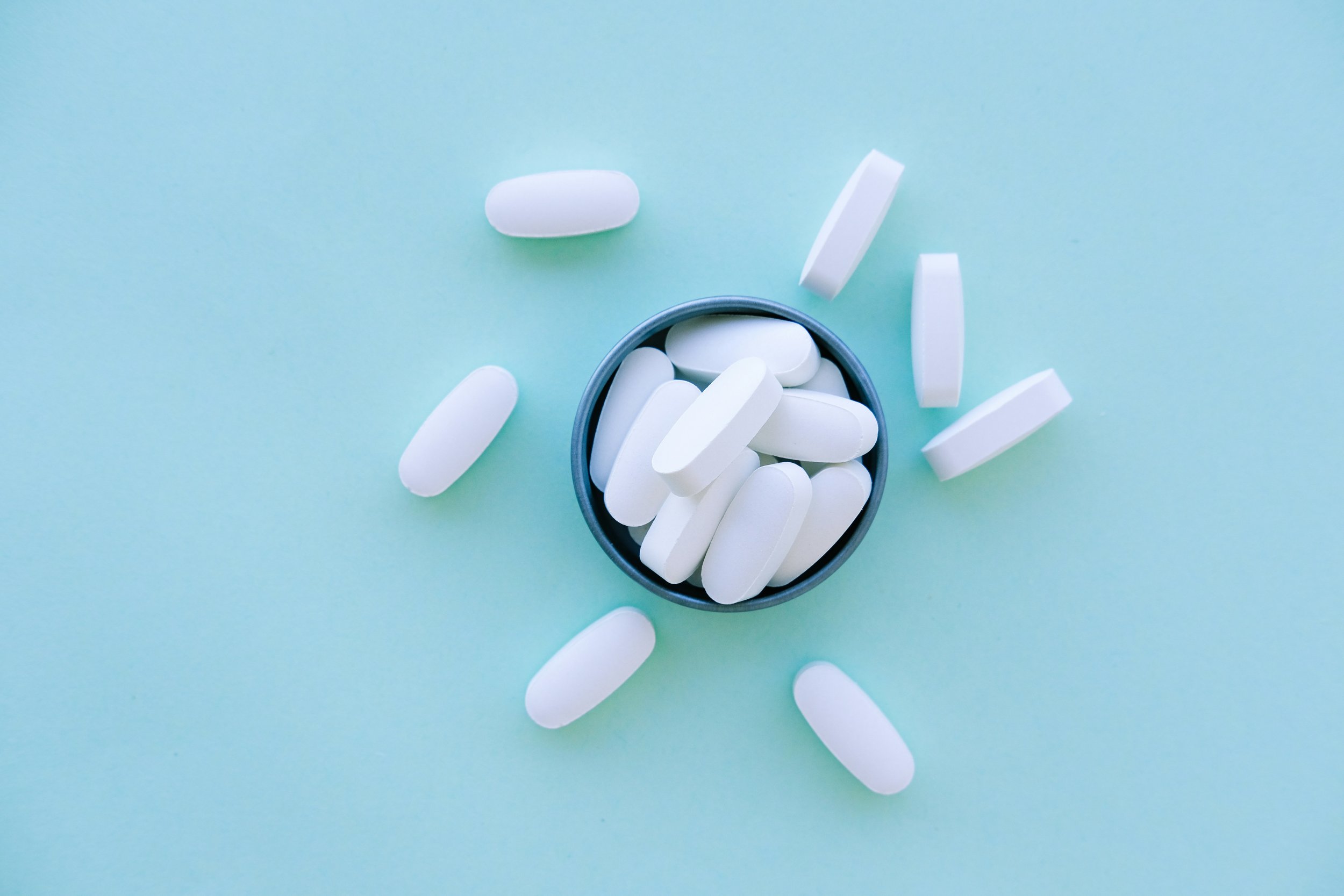
Current evidence does not show that calcium from food increases cardiovascular risk. The concerns that have been raised in research mainly relate to high-dose calcium supplements, particularly when large single doses are taken long term, especially in people who already have cardiovascular risk factors.
Food calcium is absorbed gradually. Large supplemental doses can create a temporary spike in blood calcium levels, and that is where the concern has been raised. The data is still mixed, but there is no strong evidence that sensible calcium intake from food causes harmful calcification.
Many prescribed supplements contain calcium carbonate and often provide 1,000 mg in one serving. While effective, taking that much at once is very different from getting calcium gradually through food across the day.
Calcium citrate is often better tolerated by some women. Some blended bone-support formulas provide smaller amounts of calcium, often around 300 to 500 mg, alongside vitamin D, magnesium and sometimes vitamin K2. These can be useful for topping up intake rather than replacing food entirely.
If you have osteopenia, do you need more calcium?
Not necessarily.
The general recommendation still tends to be around 1,200 mg per day in total.
Many women with osteopenia are prescribed a 1,000 mg supplement. That often reflects assumed low dietary intake or a higher fracture risk. It does not mean your target suddenly becomes 2,200 mg.
For example, if a woman is only getting 300 to 500 mg through food, a supplement may bring her total daily intake to around 1,300 to 1,500 mg.
Upper safe limits from all sources are generally around 2,000 mg per day. Consistently going above that, especially through supplements, is not something to do without medical guidance.
Calcium does not work alone
This is a really important point.
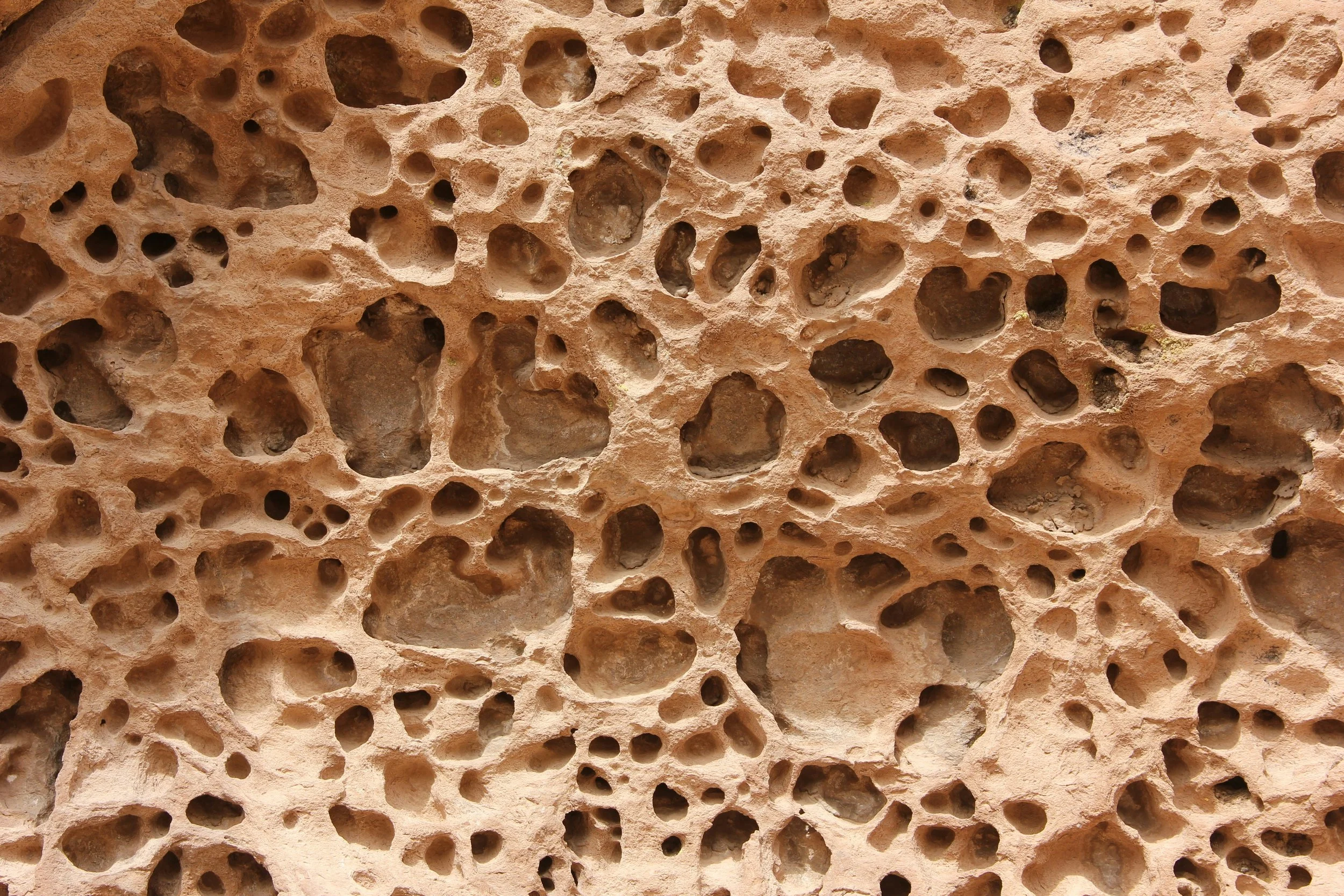
Bone is not just a mineral block. It is living tissue built on a protein matrix. Calcium binds onto that structure.
That means protein matters hugely.
In midlife, aiming for around 1.0 to 1.2 grams of protein per kilogram of body weight per day is a useful target for many women. If you are strength training regularly, closer to 1.2 to 1.5 g/kg may be appropriate.
Low protein intake combined with low oestrogen is not a combination we want for bone health.
Calcium also relies on the wider picture, including:
Vitamin D, to absorb calcium properly
Vitamin K, particularly K2, to help direct calcium into bone
Magnesium, to support bone structure and calcium balance
Progressive resistance training
Healthy muscle mass
And this is the part I really want women to remember:
Calcium without strength training is like buying bricks and never building the house.
Sometimes what is missing is not more calcium.
It is more load.
It is more protein.
It is more strength.
Osteopenia vs osteoporosis: what is the difference?
Osteopenia means early bone thinning. Bone density is lower than normal, but not yet in the osteoporosis range. It is usually picked up on a DEXA scan.
Osteoporosis is more significant bone loss and carries a higher fracture risk, especially in the wrist, hip and spine.
One in three women over 50 will experience an osteoporotic fracture.
Most never felt it coming.
This is not about fear. It is about being proactive rather than reactive when we still have the chance to support our bones well.

A simple bone health action plan: 5 things to start this week
If all of this feels like a lot, do not overcomplicate it.
Start here:
1. Estimate your calcium intake
Take a look at what you ate yesterday and roughly work out how much calcium you got. Awareness comes first.
2. Add one calcium anchor
Choose one reliable calcium-rich food you can include daily and make it consistent.
3. Check your protein intake
Take your weight in kilograms and multiply it by 1.0 to 1.2. Are you getting close?
4. Lift something
Aim for two to three resistance training sessions per week. It does not need to be fancy, but it does need to be progressive.
5. Check your vitamin D
This is especially relevant here in Ireland. Testing can be helpful if available to you.
The bottom line
Strong bones are not built in one supplement or one perfect week.
They are built in habits.
The habits you start in your 40s, 50s and 60s are the ones that help carry you more confidently into your 70s and 80s.
Future you will be very glad you started now.