
After all my recent eye drama, I thought I’d stay with the eye-health theme for another week.
Dry eyes.
Not quite as dramatic, but still unbelievably annoying.
If you’ve ever had that gritty, scratchy, “is there a tiny stone living in my eye?” feeling, you’ll know exactly what I mean. It can make reading, driving, working on screens and generally getting through the day far more irritating than it should.
And yes, dry eyes can be another one of those lesser-known symptoms that can crop up during perimenopause and menopause.
Our tears do far more than appear when we are emotional, watching a sad film, or looking at the price of a decent moisturiser. Every time we blink, a thin layer of tears spreads across the surface of the eye. This tear film keeps the eyes lubricated, helps protect against infection and supports clear vision.
Dry eye can happen when we don’t produce enough tears, when the tears evaporate too quickly, or when the quality of the tear film is poor.
And here’s the odd bit: very watery eyes can also be a sign of dry eye. When the surface of the eye becomes irritated, it may try to compensate by producing lots of watery tears, but these tears don’t always have the right balance of oil, water and mucus to properly lubricate the eye.
So yes, you can technically have watery eyes and dry eyes at the same time.
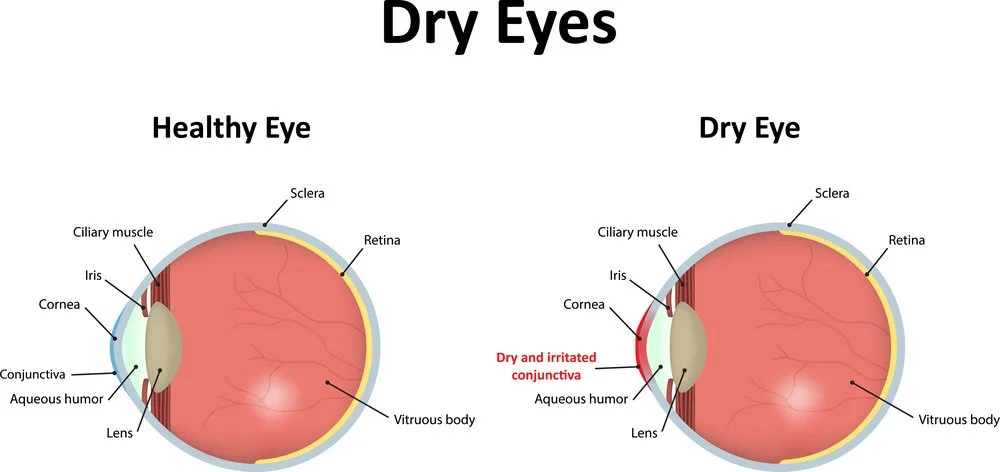
From Fort Lauderdale eye institute website
What does dry eye feel like?
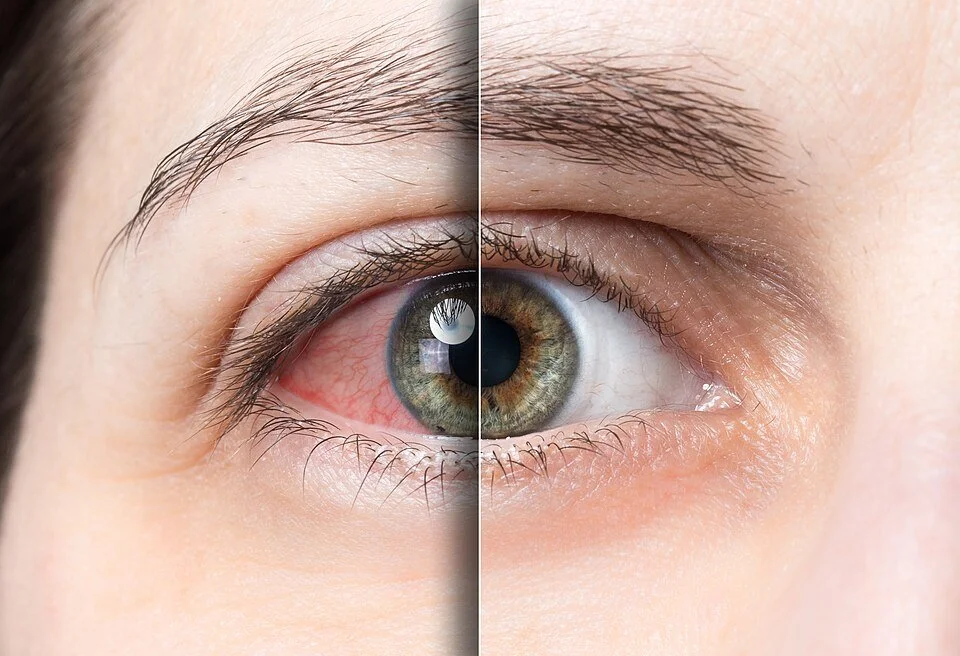
Dry eye can feel gritty, sandy, burning, stinging, itchy, red, sore or heavy. You might notice sensitivity to light, blurred or fluctuating vision, difficulty wearing contact lenses, or eyes that water more than usual.
Blurred vision linked to dry eye may temporarily improve after blinking, because blinking spreads the tear film back across the eye.
What has menopause got to do with dry eyes?
Hormonal changes can affect many different tissues throughout the body, and the eyes are no exception.
Changes in oestrogen and androgen levels may affect tear production and the small oil-producing glands along the eyelids. These glands help stop our tears from evaporating too quickly, so when they are not working well, the eyes can feel dry, gritty, sore or irritated.
Age also plays a part, so it can be difficult to separate hormonal change from the effects of simply getting older.
The joys.
But dry eye is particularly common in women around and after menopause, and it is one of those symptoms that often doesn’t get mentioned until someone says, “Actually, my eyes are wrecked too.”
And then half the room nods.
Recent research involving more than 3,500 women found that symptoms of dry-eye disease were reported by 57% of menopausal participants, compared with 53% of premenopausal participants. This was an observational study, so it doesn’t prove that menopause directly causes dry eye, but it does support the need for greater awareness.
What else can make dry eyes worse?
Menopause may only be one piece of the puzzle. Spending long periods looking at screens, central heating, air conditioning, windy or dusty environments, contact lenses, smoking, some medications and eyelid conditions such as blepharitis can all contribute.
Autoimmune conditions, including Sjögren’s syndrome, lupus and rheumatoid arthritis, can also be linked with dry eyes.
And then there is the screen issue.
When we concentrate on a screen, we tend to blink less often. I know I can sit at the laptop for hours, blinking about as often as a lizard under a heat lamp, and then wonder why my eyes feel like sandpaper by 6pm.
This is your gentle reminder that your eyes were not designed for 12 browser tabs, email, WhatsApp and a spreadsheet all open at the same time.
From Instiks magazine
What can help dry eyes?
I asked my community on Instagram, and the most common responses were omega-7, Hylo eye drops and flaxseed oil.
But let’s start with the practical ones before we go into some of those.
Take proper screen breaks
You might have heard of the 20-20-20 principle: every 20 minutes, look at something around 20 feet away for at least 20 seconds. It sounds basic, but it gives your eyes a chance to reset.
Try to blink fully and regularly too. Many of us do not fully close our eyes when we are concentrating on a screen, which does not help matters.
A good blink is basic maintenance.
Like watering a plant, except the plant is your eyeball.
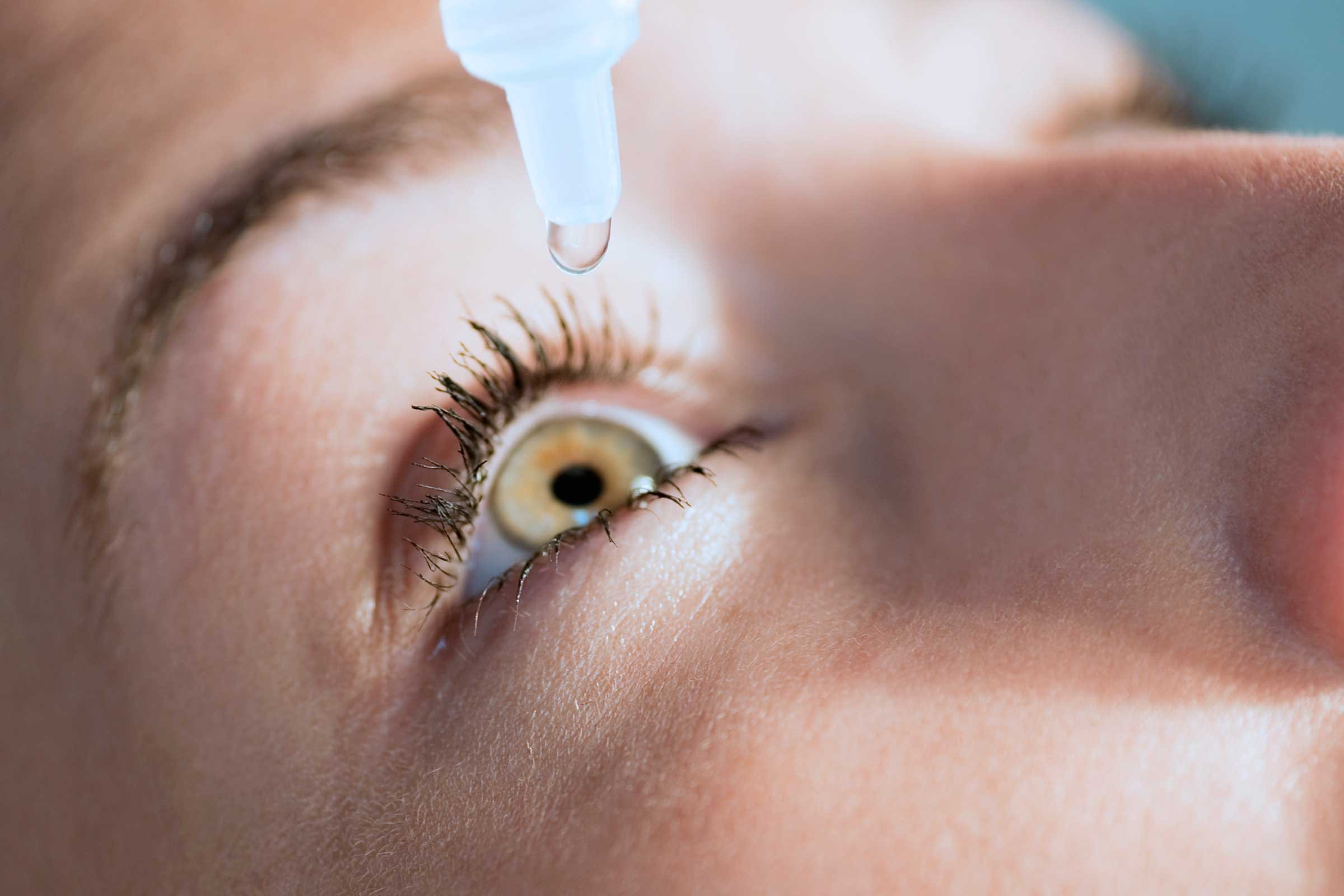
Use lubricating eye drops
Lubricating eye drops can provide relief. A pharmacist or optometrist can help you choose the most suitable type.
Preservative-free drops may be better if you need to use them frequently or if you wear contact lenses. Thicker gels can last longer but may temporarily blur your vision, while ointments are generally more suitable at bedtime.
And no, I would not just pick the prettiest box in the pharmacy and hope for the best. Ask someone who knows.
Many people recommended the Hylo range. I am trying one of those, and I am also trying Eye Logic, which is a spray. I will let you know how I get on.
Try a warm compress
A warm compress may also help, especially if the oil glands around the eyelids are blocked.
Use a clean, warm — not scalding — compress over closed eyes, followed by gentle eyelid massage. Specific reusable eye masks are also available.
This is one of those simple things that sounds too basic to be useful, but it can be really helpful when done consistently.
I have a reusable one and I find it great. You can get them in Boots and many pharmacies.
Look at your environment
Avoid having heating, air conditioning or a fan blowing directly towards your face. A humidifier may help when indoor air is particularly dry, and contact-lens wearers may benefit from giving the eyes a break and wearing glasses more often when symptoms flare.
What about omega-7?
Omega-7 is usually supplied as sea buckthorn oil. There is some early research suggesting it may help with dry-eye symptoms, but the evidence is still limited, so I would describe it as promising rather than proven.
That said, many women came back to say they find it very good.
So, not nonsense — but not a guaranteed miracle either.
What about flaxseed oil?
Flaxseed oil is a plant source of omega-3 and may help some people with dry-eye symptoms, although more research on omega supplements for dry eye is needed.
I am going to try this one. As flaxseed is a phytoestrogen, I reckon it might give a few more benefits too — time will tell.
As always, if you are taking medication, especially blood-thinning medication, have a medical condition, are due to have surgery, are pregnant, or are unsure whether a supplement is suitable for you, please check with your pharmacist, GP or healthcare professional first.
When should dry eyes be checked?
Please do have dry-eye symptoms checked if they continue despite self-care, interfere with daily life, affect your vision or make wearing contact lenses difficult.
If you have persistent dry eyes alongside a very dry mouth, joint pain, unusual fatigue, dental problems or swelling around the salivary glands, it is worth mentioning this to your GP or optometrist.
In many cases, it may still be dry eye linked to age, screen use, environment or hormonal change, but this symptom pattern can occasionally point to an autoimmune condition such as Sjögren’s syndrome.
You cannot diagnose that yourself from symptoms alone. It needs a proper assessment and sometimes blood tests, eye tests or saliva tests.
And just to say, dry eye does not explain a sudden shower of floaters, flashing lights, a dark shadow or a curtain-like effect across your vision. Those symptoms need urgent assessment.
Do not pass go. Do not consult Dr Google. Do not ask Instagram.
Get it checked.

Final thoughts
Dry eyes may not be the first symptom that springs to mind when we talk about menopause, but they can have a real impact on comfort, concentration, reading, driving and screen use.
For many women, it may be a combination of small things that bring relief: screen breaks, proper blinking, lubricating drops, warm compresses, hydration, managing the environment and getting the right advice when needed.