
Why Bowel Health Matters So Much in Menopause
This week I want to talk about dryness in menopause, because dryness really does pervade this stage of life. Dry skin. Dry eyes. Dry scalp. Vaginal dryness. And something we do not talk about nearly enough, dryness in the digestive system.
It is not the most glamorous menopause topic, I will grant you that. It is not exactly the kind of thing that gets pride of place on an Instagram quote card. But bowel health matters hugely in menopause, and if your bowels are not happy, there is a fair chance the rest of you may not be too delighted either.

Dryness in menopause is not just about skin or vaginal tissues
When people hear the word dryness in menopause, they often think immediately of vaginal dryness, dry eyes or dry skin. All of those are common, and all deserve attention. But hormonal changes can also affect the digestive system.
As oestrogen and progesterone fluctuate and decline, digestion can become more sluggish. For many women, that can mean bloating, constipation, abdominal discomfort and a real sense that things are not moving the way they used to. You can be eating well, trying your best, and still feel as if your digestive system has decided to go on a go-slow.
And let me tell you, when your bowel is not working properly, you feel it everywhere.
Why bowel health matters more than you might think
Constipation is often brushed off as a minor nuisance, but it can have a knock-on effect on so many parts of daily life.
If stool is sitting in the bowel for too long, it becomes harder, drier and more difficult to pass. That can lead to bloating, discomfort, straining and that horrible heavy feeling where you just know things are not right. It can affect your mood, your energy and even your concentration. When you already have brain fog in the mix, the last thing you need is your bowel adding to the drama.
Hydration is part of this too. Even mild dehydration can affect memory, focus and overall brain function. So, when we are talking about dryness in the digestive system, we are not just talking about the bowels in isolation. We are talking about the wider effect on how you feel physically and mentally.
The bowel and bladder are very closely linked
Your bowel and bladder live very close together in the pelvis, and they influence each other more than you may think. If you are constipated, that backed-up bowel can put pressure on the bladder and surrounding pelvic structures. That may make you feel like you need to pee more often, increase urgency, or contribute to those annoying little leaks when you cough, sneeze or move suddenly.
So sometimes when women are dealing with urinary symptoms, part of the picture may actually be the bowel.
I was only chatting about this yesterday with the lovely Maeve Whelan, a renowned women’s health physio, and we ended up talking about what she called “magnificent bowels”.
As Maeve said to me, “Catherine, you have to have magnificent bowels.”
Now there is a phrase I was not expecting to hear over a check-up, but honestly, she is dead right. Having regular, easy bowel movements is not just some random health goal. It supports your pelvic floor, reduces pressure on the bladder, makes you more comfortable, and can genuinely improve quality of life.

Menopause, digestion and the stress connection
There is also the small matter of stress, and sure stress never exactly improves anything, does it.
The gut and brain are closely connected. Many women notice that when stress and anxiety are high, digestive symptoms become worse too. That might show up as bloating, constipation, abdominal discomfort or a complete change in bowel rhythm. Menopause can be a perfect storm of hormonal shifts, poor sleep, anxiety and daily life pressures, and the digestive system often gets caught in the crossfire.
So if your digestion feels more unpredictable than it used to, it is not all in your head, and it is not something to just shrug off.
What helps bowel health in menopause?
The good news is there are simple things that can make a real difference.
1. Go when you need to go
If you get the urge to open your bowels, do not keep putting it off. We all do it. We are busy, we are running around, we are in the middle of something, and we make ourselves wait until later. But repeatedly ignoring that urge can make constipation worse.
Your body is giving you a signal. Try to listen to it.
2. Prioritise hydration
Water really does matter. If you are not drinking enough, stool becomes harder to pass. Hydration supports not only your bowels, but your concentration, energy and overall sense of wellbeing. It is basic, yes, but basic does not mean unimportant. Sometimes the simple things are the things we need to tighten up most.
3. Eat foods that support regular bowel movements
Kiwis are one of my favourite practical tips here, and not just because I love giving people an excuse to buy more fruit.
There is actually decent evidence that kiwifruit can help improve bowel movement frequency in people with constipation. Pears are another lovely option, and so are prunes, oats, beans, lentils, vegetables, seeds and other fibre-rich foods.
The key thing is not to think only in terms of fibre supplements or a once-off fix. Think daily support. Think foods that help your bowel do its job more comfortably and consistently.
4. Avoid straining
If every bowel movement feels like hard work, that is a sign something needs attention. Straining puts pressure on the pelvic floor and can worsen bladder symptoms, pelvic discomfort and haemorrhoids. Easy, regular bowel movements are the goal. That is a sentence I never thought I would write with such conviction, but here we are.
5. Make bowel health part of your weekly health check-in
We are great at monitoring sleep, steps, protein and whether we have remembered to book the dentist. But bowel health deserves a place on the list too.
Are you going regularly?
Are you straining?
Are you bloated all the time?
Are you drinking enough?
Are your bowels affecting your bladder?
It may not be the most glamorous wellness conversation, but it is a very important one.
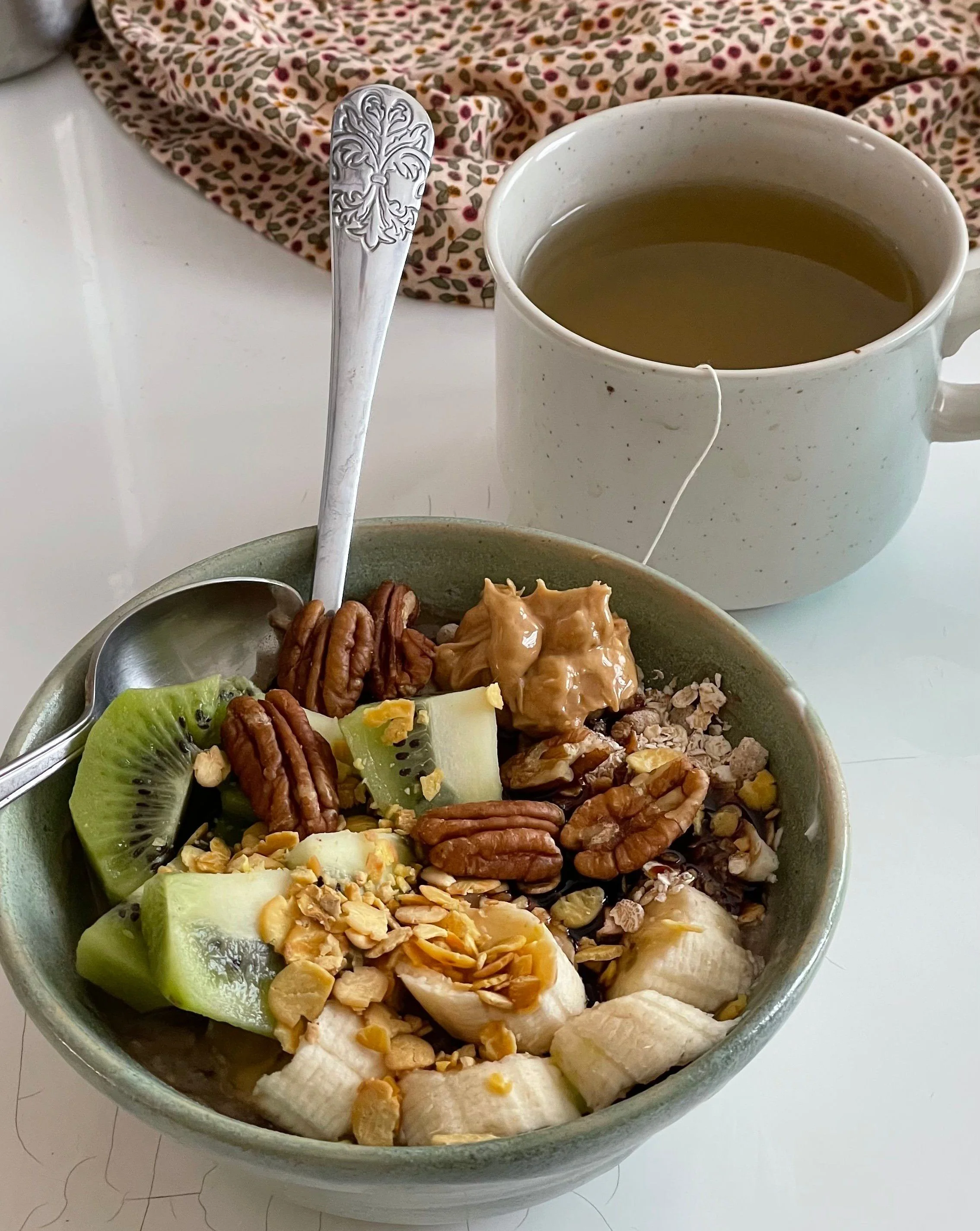
Magnificent bowels should be the goal
I am still laughing at that phrase, but the more I think about it, the more I love it.
Magnificent bowels are not about perfection. They are about supporting your body properly. They are about comfort, regularity, less strain, less pressure, and fewer knock-on effects for the bladder and pelvic floor.
And in menopause, when so many things can feel off kilter, that matters.
So, if you have been dealing with constipation, bloating, sluggish digestion or urinary symptoms, please do not dismiss it. It is common, yes, but common does not mean you just have to put up with it.
A healthy bowel supports a healthier bladder, a happier pelvic floor and a more comfortable body.
That is something worth paying attention to.
When to get checked
Any persistent change in bowel habit, bleeding, ongoing abdominal pain, unexplained weight loss or severe constipation should always be checked with your GP. It is important not to assume everything is “just menopause”.
Menopause can explain a lot, but it should not be used to explain away everything.
If there is one takeaway from this piece, let it be this: bowel health is not a side issue in menopause. It is a core part of how you feel, how your pelvic floor functions, and how comfortable you are in your day-to-day life.
So here is to hydration, kiwis, fibre, pelvic floor support, and yes, magnificent bowels.